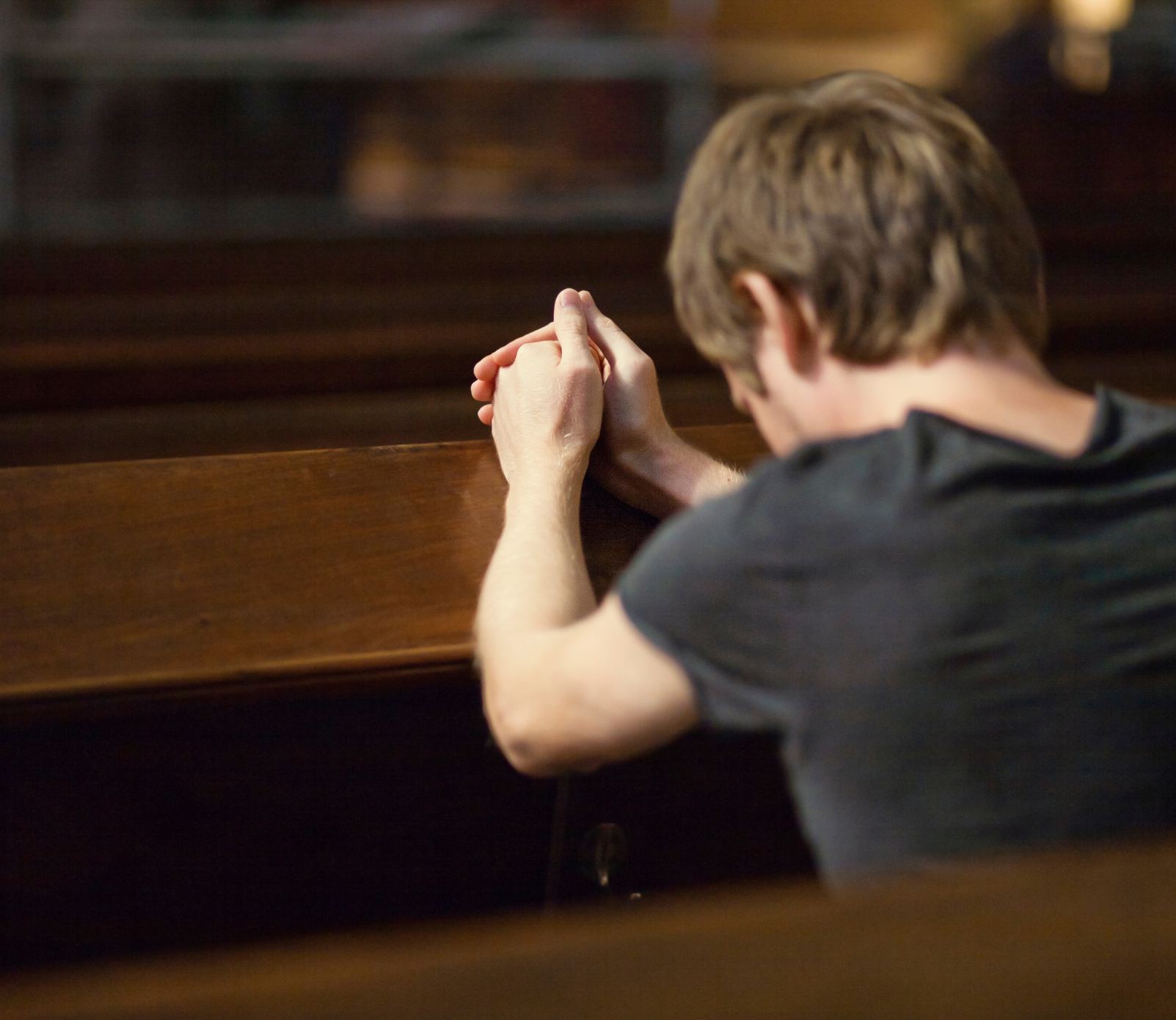
And so, like Peter in today's Gospel, we ask Jesus:
“Lord, if my brother sins against me, how often must I forgive? As many as seven times?”
Peter thought seven times was already generous. But Jesus answered:
“Not seven times, but seventy-seven times.” In other words,
forgiveness has no limit.
The first reading from Sirach gives us the reason: “Remember your last days, and set enmity aside.” Remember that one day we too will stand before God. If we expect God to forgive our sins, we must learn to forgive those who have sinned against us.
Jesus is not saying that the wrong does not matter. He is teaching us that
we must not allow another person's wrongdoing to poison our hearts. Forgiveness does not mean pretending that nothing happened. It means refusing to allow hatred to have the final word.
Sometimes we say, “Father, I can forgive, but I can never forget.” Perhaps we may remember the wound, but forgiveness means that
the wound no longer controls our heart. We stop seeking revenge. We stop wishing evil upon the person. We place justice in God's hands and ask Him to heal us.
St. Paul gives us another powerful reason:
“None of us lives for oneself.” (Romans 14:7). We belong to one another. The Christian life cannot be lived with a heart permanently locked in resentment.
And Jesus makes this even clearer in the Gospel through the servant who was forgiven a great debt but refused to forgive a much smaller debt. The master became angry and said, in effect:
“I forgave you all that debt. Should you not have had mercy on your fellow servant?”
Brothers and sisters,
how much has God forgiven you and me? If God has been patient with us, who are we to refuse patience to another?
Three lessons for us today:
1. Forgive because you too need forgiveness.
Before pointing at another person's sin, remember your own weaknesses and the mercy God has shown you.
2. Forgiveness is a decision before it becomes a feeling.
You may still hurt after forgiving. Pray, “Lord, I am not yet able to forget this pain, but I choose to forgive. Heal my heart.”
3. Do not carry yesterday's wounds into tomorrow.
Resentment can become a prison. Forgiveness sets the heart free. Sometimes the person we need to forgive most is the person whose offense we have been carrying for years.
Dear friends,
when is forgiveness enough? Jesus' answer is:
do not count.
As often as you are hurt, return to mercy. As often as you fall, seek God's forgiveness. As often as someone hurts you, ask God for the grace to forgive.
Because at the end of our lives, we will not be asked how many people defeated us, offended us, or hurt us. We will be asked whether
we learned to love as Christ loved us.
Let us therefore pray:
“Lord Jesus, remove from my heart every hatred, resentment, and desire for revenge. Give me the grace to forgive as You have forgiven me. Heal my wounds, soften my heart, and make me an instrument of reconciliation. Amen.”